share:


From Halloween to Christmas Day and beyond, Peak Season presents an ample opportunity for eComm brands to maximize sales and acquire new customers
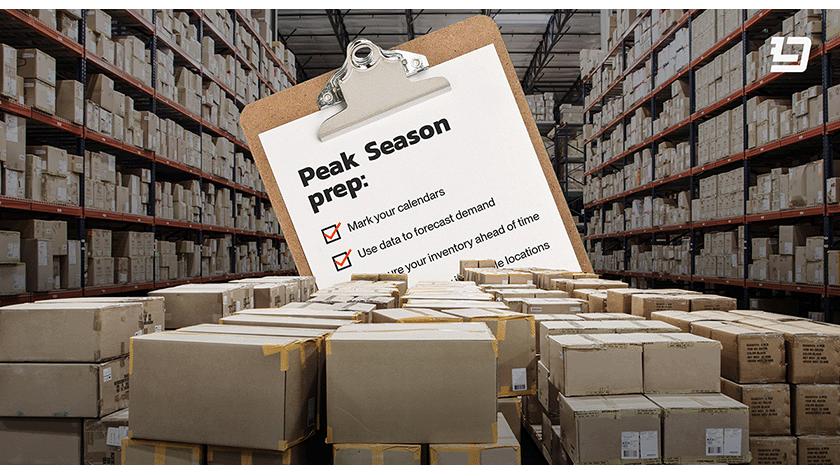
The Peak Season is nearly upon us. It’s the time of year when eCommerce brands flex their muscles to showcase their best offers. The Q4 season is so important that it needs a few months of preparation. No matter what you sell, your product sourcing and eCommerce fulfillment strategy should consider the sudden surge in sales. Here’s a list of 10 things you should do to ensure a successful Peak Season sale.

The Peak Season usually runs throughout Q4 of every year. There are plenty of days where eCommerce sales may surge during this period. Depending on your industry, you will experience a spike in demand on some days than others.
Here’s a list of the most popular days in Peak Season 2024:
Halloween: October 31
Black Friday: November 29
Small Business Saturday: November 30
Cyber Monday: December 2
Free Shipping Day: December 14
Super Saturday: December 21
Christmas Day: December 25
Boxing Day: December 26
New Year’s Day: January 1

Forecasting demand is among the most essential things to check off your to-do list. If you have experienced a Peak Season before, use the data from the previous year to help you forecast demand for the upcoming Q4.
Using your own data isn’t always enough for accurate forecasting. Try to follow trends, read industry insights, and search for more data related to your industry.
Peak Season sales can sometimes exceed the total sales from the rest of the year. For this reason, you must ensure you don’t run out of inventory in Q4. Keep in mind that your suppliers will be as busy as you during Peak Season preparations. If you’re sourcing from China, remember to place your orders with the supplier in advance, as lead times will be longer than usual.
Ideally, your inventory should be stored near locations where most of your customers reside. This can help optimize shipping costs and reduce transit times. For example, if you’re working with a USA order fulfillment company, check if that company has at least two fulfillment centers to cover the West and East coasts with fast enough delivery time.
Dead stock refers to products stored in a warehouse and no longer sellable due to being low quality or out of season. Instead of letting this stock take inventory space, you can run more promotions and hefty discounts to attract more customers.
In 2013, delivery giants UPS and FedEx caused anger during the holiday season due to multiple shipping delays. Many of the carriers’ shipments were actually from Amazon, costing the company millions. This issue actually prompted Amazon to ramp up its investment in its own supply chain.
This is still a perfect example of how much your eCommerce brand is dependent on carriers. To avoid making your customers experience what happened with Amazon, make sure to work with multiple carriers during Peak Season 2024.

In the midst of an order surge during Peak Season, things can get messy. Shipments may be delayed and some consumers may want to return. Make sure your support team is up and ready to respond to inquiries and assist with customer orders.
You don’t want your website to crash in front of your customers’ screens during the Peak Season. If you’re anticipating high traffic, make sure your website can function flawlessly while accommodating more online visitors.
Peak Season is not just a time of high sales but also high returns. Return rates always shoot up during and after Q4. To keep your customers happy, handling their return process can leave a lasting impression. While you’re preparing for Peak Season 2024, remember to implement a transparent and flexible return policy and work hard to enforce it.
Doing fulfillment and sourcing in-house surely has its benefits. But your supply chain might be stretched thin in Peak Season. If you’re anticipating a significantly higher demand, it might be time to consider working with a 3PL or a fully-fledged supply chain solution company to support your growth.
At Lansil Global, we have fulfillment centers in China and the USA to ensure your supply chain never gets disrupted during the most important time of year.
Enjoying our blog? You may also like:
Stay in the loop with
Our Industry Insights